
"Côte d'Ivoire coffee production"
300 article(s) found

Classification of coffee according to Chinese national standards
According to our national standards, the classification of coffee is mainly divided into the following five varieties.
ICE sugar strengthened on July 2nd, and Arabica coffee futures rose more than 1%.
Intercontinental exchange (ICE) Arabica coffee futures rose more than 1% on Wednesday, the second day in three days, on speculation that Brazilian production may be more affected by the drought than the data and the harvest so far suggest.

Coffee botany knowledge
The botanical description of coffee is: "Coffee is Rubiaceae, coffee, evergreen shrubs or small trees."
Knowledge of coffee botany
There are more than 60 kinds of coffee, but there are roughly two varieties of coffee grown commercially on a large scale, one is Arabica, accounting for about 70 percent of the world's coffee planting area, and the other is Robasta, accounting for about 30 percent of the world's coffee planting area.
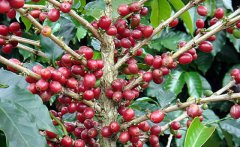
Ivorian boutique coffee
Ivorian boutique coffee has a strict grading system. Generally, raw beans are preserved in parchment coffee beans in the form of endocarp after processing, and the endocarp is removed before export. Go through a strict grading process to ensure the uniformity of quality. And the protection in the process of preservation and transportation is very important, such as temperature and humidity control, ventilation control, avoiding odor adsorption and so on.

International coffee prices may rise for a long time.
The 50th African Coffee Organization Conference was held in Nairobi, Kenya, a few days ago. Participants expect international coffee prices to remain high over the next decade because of a growing middle class in emerging markets. Industry insiders present at the meeting said that international coffee prices plummeted in the 1990s and demand for coffee was supported by a fast-growing middle class in emerging markets.
What are the varieties of commercial coffee beans? what are Robusta coffee beans?
The robusta species (scientific name Coffea robusta Linden), which is resistant to leaf rust, is found in the African Congo and has stronger disease resistance than the Arabica species. The hot and humid zone that is not suitable for Arabica coffee is where Robusta grows coffee. Robusta has a unique aroma and bitter taste, accounting for only 2% or 3% of the mixed coffee, and the whole cup of coffee becomes Rob.

Classification of Coffee in Chinese National Standard
There are more than 60 kinds of coffee, but there are roughly two varieties of coffee grown commercially on a large scale, one is Arabica, accounting for about 70 percent of the world's coffee planting area, and the other is Robasta, accounting for about 30 percent of the world's coffee planting area.
Introduction to Cameroon Coffee
According to the National Office of Cocoa and Coffee of Cameroon (ONCC), by the end of the coffee harvest year 2012 Coffee in 2012, there was a significant decline in coffee production in Robsta and stagnation in Arabica, with a total commercial coffee production of 16142 tons, a decrease of 21985 tons compared with the previous coffee harvest of 38127 tons.
Botanical knowledge of coffee
There are more than 60 kinds of coffee, but there are roughly two varieties of coffee grown commercially on a large scale, one is Arabica, accounting for about 70 percent of the world's coffee planting area, and the other is Robasta, accounting for about 30 percent of the world's coffee planting area.
The hometown of coffee
According to the study of the origin of coffee, it is agreed that the earliest place of origin of coffee should be Ethiopia in Africa (ancient Abyssinia), which has produced magical fruits that have affected the world to this day.

How much do you know about the botany of coffee?
There are more than 60 kinds of coffee, but there are roughly two varieties of coffee grown commercially on a large scale, one is Arabica, accounting for about 70 percent of the world's coffee planting area, and the other is Robasta, accounting for about 30 percent of the world's coffee planting area.
Coffee botany
There are more than 60 kinds of coffee, but there are roughly two varieties of coffee grown commercially on a large scale, one is Arabica, accounting for about 70 percent of the world's coffee planting area, and the other is Robasta, accounting for about 30 percent of the world's coffee planting area. According to our national standards, the classification of coffee is mainly divided into the following five varieties. 1. Small seed coffee, that is, Arabian species. Originated in Ethiopia

[coffee beans] Java coffee beans in Indonesia
Java Coffee, whose English name is java coffee, is also translated as Java Coffee. Java coffee (java Java coffee) planting distribution Java coffee beans (coffee powder) belong to: Robasda (Robusta) varieties, mainly distributed in African countries such as C ô te d'Ivoire, Angola, Madagascar and the Philippines, Vietnam and Indonesia (Java) and other places. Java coffee growing environment
International Coffee Organization
International Coffee Organization during the 19th century, coffee became an important international trade because of the large number of demand. It makes most countries earn foreign exchange from coffee export trade as a source of money income for farmers and is an important trade in most countries. Because the split led to changes in prices and product standards, it ended at a conference in New York in 1962.
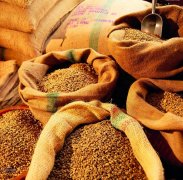
Knowledge about coffee botany
According to the botanical description of coffee: coffee is Rubiaceae, coffee genus, perennial evergreen shrubs or small trees. There are more than 60 types of coffee classified, but there are roughly two varieties of coffee grown commercially on a large scale, one is Arabica, accounting for about 70 percent of the world's coffee planting area, and the other is Robasta, accounting for about 30 percent of the world's coffee planting area. According to our country
Knowledge of coffee botany.
9bf95f67gw1dzk8j7xbi4j.jpg (135.26 KB, downloads: 0) download attachment to photo album 2012-12-7 09:12 upload according to botanical description of coffee is: coffee is Rubiaceae, coffee, perennial evergreen shrubs or small trees. There are more than 60 types of coffee, but there are roughly two varieties of coffee grown on a large scale.

The hometown Origin Culture of Coffee
According to the study of the origin of coffee, it is agreed that the earliest place of origin of coffee should be Ethiopia in Africa (ancient Abyssinia), which has produced magical fruits that have affected the world to this day. The legend of the origin of coffee is generally accepted as the legend of Ethiopian shepherds. The story begins with a goat: a man named Caldy (

Basic knowledge of coffee botany
According to the botanical description of coffee: coffee is Rubiaceae, coffee genus, perennial evergreen shrubs or small trees. There are more than 60 types of coffee classified, but there are roughly two varieties of coffee grown commercially on a large scale, one is Arabica, accounting for about 70 percent of the world's coffee planting area, and the other is Robasta, accounting for about 30 percent of the world's coffee planting area. According to our country
Boutique Coffee knowledge about Coffee Botany
According to the botanical description of coffee: coffee is Rubiaceae, coffee genus, perennial evergreen shrubs or small trees. There are more than 60 types of coffee classified, but there are roughly two varieties of coffee grown commercially on a large scale, one is Arabica, accounting for about 70 percent of the world's coffee planting area, and the other is Robasta, accounting for about 30 percent of the world's coffee planting area. According to our country